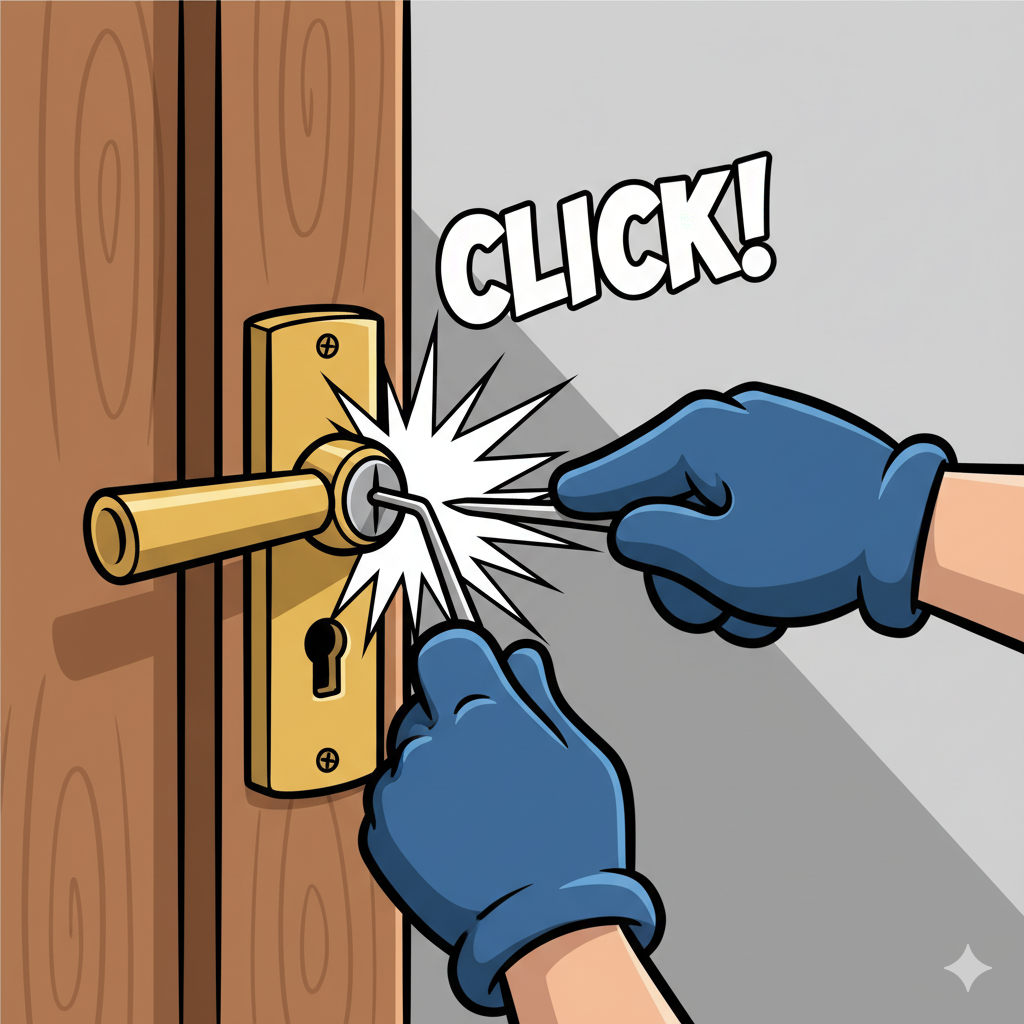
Commercial Electronic Lock Setup - Smart Integration
When a homeowner or business decides to move from keyed hardware to electronic locks, choices and trade-offs appear quickly. Between field service calls and consulting on access control projects, I have seen the installation pitfalls and the small wins that make a system reliable. In this piece I explain what to expect from a professional install, how to choose hardware, and what maintenance and security practices keep an electronic lock performing properly, and you can compare local providers by checking professional locksmith services as a starting point for estimates and service options. I include real-world troubleshooting steps, quick checks to validate an installation, and what good installers include in their job notes.
What an electronic lock really replaces and what it does not.
Electronic lock installation is frequently sold as a simple replacement for a deadbolt, but the work touches electrical, mechanical, and network systems. A locksmith who only cuts keys may not be sufficient for access control work, and you want a certified locksmith or technician who has done similar installs before. The cheapest quote that omits labeling and documentation is rarely the best long-term value.
Which lock style fits your house or office and your operational expectations.
Not every electronic lock suits every door or every user, and matching technology to use case avoids regrets. If you need remote access and push notifications, pick a lock with reliable cloud support or that integrates with your existing smart home hub rather than relying on quick-fad protocols. For heavy-use doors choose ANSI grade 1 or 2 hardware; for bedroom or light residential doors ANSI grade 3 is often acceptable but less durable.
Pre-installation checks that save time and money.
Ignore those checks and the new lock will either not align, bind, or create a weak point that fails under stress. Confirm whether the door is metal, wood, or fiberglass and whether the existing bore matches the lock; many electronic locks require a standard 2 1/8 inch bore but some modular units differ. Those are avoidable with a careful pre-install inspection.
Why power plan matters more than the lock’s brand name.
Battery-operated locks are simple to install but require scheduled battery replacement, while wired locks reduce battery worry at the cost of having to run low-voltage wiring. A practical rule is replacing alkaline cells annually in moderate climates and sooner in cold environments. Never connect a lock directly to household mains; always follow manufacturer wiring diagrams and installer best practices for transformers and rectifiers.
A small investment in maintenance halves the chance that a lock fails without warning during a critical hour.
How different communication options affect reliability and privacy.
Bluetooth locks are reliable at short range but hinge on phone proximity, Z-wave or Zigbee integrate into smart home hubs, and Wi-Fi units offer remote access without a hub but raise privacy considerations. If you need remote unlock and activity logs without intermediary cloud dependence, consider a local hub that supports Z-wave and bridges to your network for remote access through secure tunnels. Wiring for centralized control is more upfront work, but it simplifies maintenance and access revocation when employees leave.
What to expect from a professional installer and the right questions to ask.
A professional installer will present proof of insurance, list experience with the specific lock model, and offer a written quote with line items for parts, labor, and any necessary carpentry. Good documentation saves a return visit and keeps your facility operational if the original installer is unavailable later. Make sure your written invoice states who is responsible for firmware updates and future troubleshooting, and whether the installer will bill hourly for follow-up service calls.
Common installation mistakes and how to spot them early.
Installers sometimes rush alignment, ignore frame reinforcement, or fail to test lock behavior under full door swing, and those oversights show up as jams or premature wear. If the installer leaves exposed wires or zip-ties in the jamb, ask them to finish the job properly before they leave. A responsible technician will test dozens of cycles on site during installation.
Security considerations beyond the lock: cylinder choice, strike plate, and audits.
At minimum use three-inch security screws for the strike plate so the screws anchor into framing, not just the jamb. For offices that need key control, match the electronic lock with a restricted-key cylinder or a master key system installed by a professional locksmith to avoid unauthorized duplication. An installer can train an internal contact on how to export and analyze logs.
door lock repairHow much time installs take, common hidden costs, and budget ranges.
A simple battery-powered deadbolt swap commonly takes 45 to 90 minutes, whereas multi-door commercial integration with wiring and controllers can take several days and multiple tradespeople. Cheap online lock hardware can look like a bargain until you factor in callbacks and extra parts; buy the right hardware for the door the first time. Have them confirm expected completion and any contingency allowances in writing.
Simple routines to extend life and prevent lockouts.
Lubricate the mechanical latch with a dry graphite or manufacturer-approved product, never use household oil which attracts dust. If you notice the lock dropping connectivity, test the network environment and the device signal strength before scheduling a costly replacement; sometimes moving a Wi-Fi access point or repositioning a hub solves the issue. Call a professional if the lock shows signs of electrical failure, persistent motor strain, or physical damage from forced entry because those conditions usually require component replacement or frame repair.
Stories from installations that highlight common choices and outcomes.
I once swapped out a legacy keyed deadbolt on a rental property for a keypad unit and discovered the strike studs were rotted; replacing the frame substructure was necessary before the owner accepted the new lock. If you want a quick decision rule, choose battery-only smart locks for low-traffic residential doors, choose wired or hybrid for frequently used entry points, and choose centralized access control for multi-door commercial needs. Competitive bidding forces vendors to explain hidden costs and reveals who knows how to scope the job properly.
A careful hire and a short maintenance habit will keep your electronic locks working for years with minimal fuss.
Locksmith in Orlando, Florida: If you’re looking for a reliable locksmith in Orlando, FL, our company is here to help with certified and trustworthy locksmith services designed to fit your needs.
Locksmith Orlando | Locksmith Unit
- Address: 3725 Conroy Rd, Orlando, FL 32839, United States
- Phone: +1 407-267-5817
- Hours: Open 24 hours
- Website: locksmithunit.com
- Contact Us: Contact Locksmith Unit Orlando, FL
- About Us: About Locksmith Unit Orlando, FL
Connect with us
- Google Business Profile: Locksmith Orlando | Locksmith Unit on Google Maps
- Facebook: Locksmith Orlando | Locksmith Unit on Facebook
- Instagram: Locksmith Orlando | Locksmith Unit on Instagram
- YouTube: Locksmith Orlando | Locksmith Unit on YouTube
- TikTok: Locksmith Orlando | Locksmith Unit on TikTok
- X (Twitter): Locksmith Orlando | Locksmith Unit on X (Twitter)
- LinkedIn: Locksmith Orlando | Locksmith Unit on LinkedIn
- Pinterest: Locksmith Orlando | Locksmith Unit on Pinterest
- Threads: Locksmith Orlando | Locksmith Unit on Threads
- Blogger: Locksmith Orlando | Locksmith Unit on Blogger
- Tumblr: Locksmith Orlando | Locksmith Unit on Tumblr
- Bluesky: Locksmith Orlando | Locksmith Unit on Bluesky
- Band: Locksmith Orlando | Locksmith Unit on Band
- VK: Locksmith Orlando | Locksmith Unit on VK
- Yelp: Locksmith Orlando | Locksmith Unit on Yelp
Worldwide Brand Profiles
- Medium: Locksmith Unit on Medium
- Instapaper: Locksmith Unit on Instapaper
- Diigo: Locksmith Unit on Diigo