
Auto Key Programming Service - Affordable Pricing
If your car refuses to recognize its key, you are not alone and this guide will help.
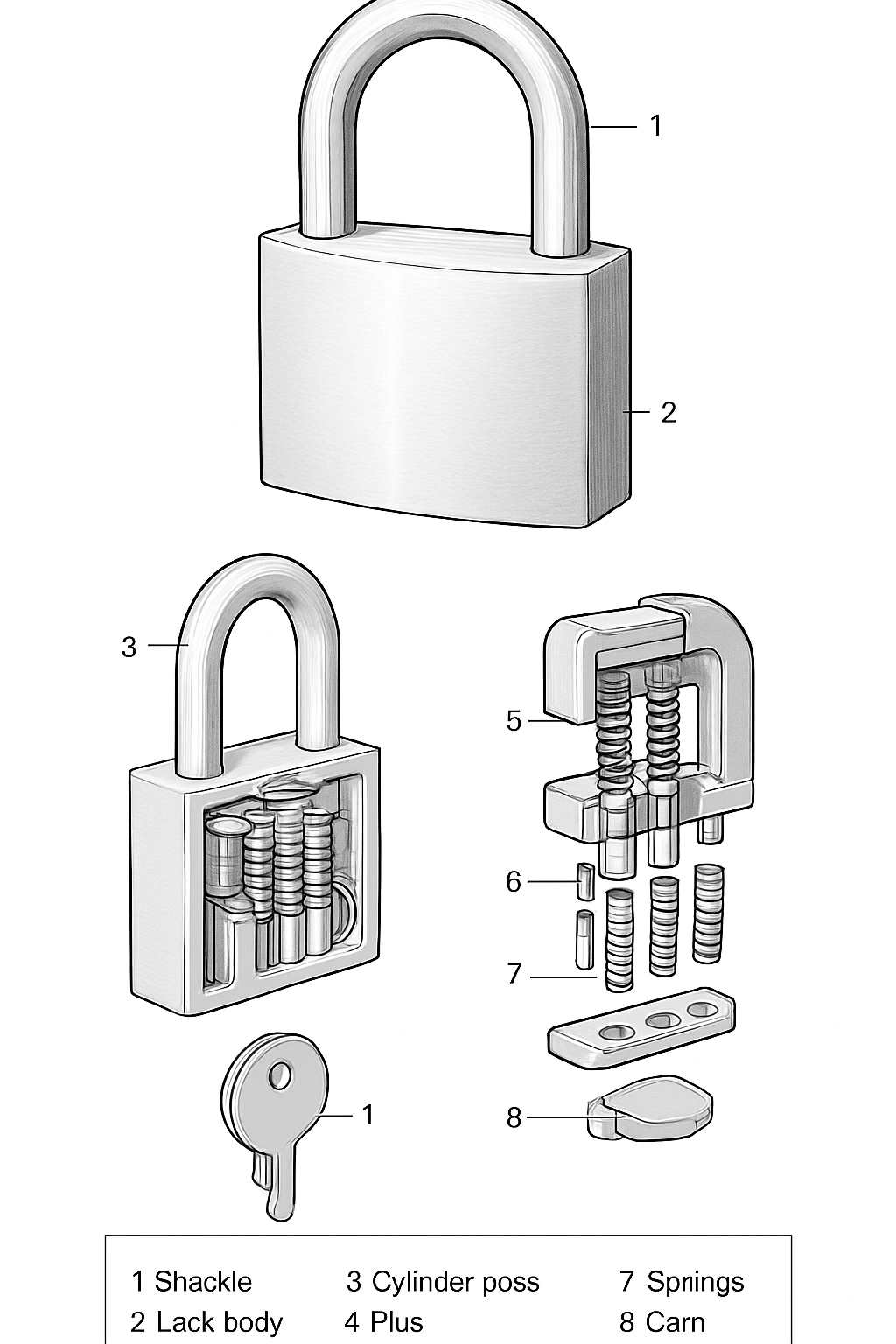

Why modern cars use transponder chips and how programming keeps them secure.
Modern car keys contain a transponder, which is a tiny chip that sends a rolling code to the vehicle’s immobilizer so the engine can start. If that handshake fails because the chip is unprogrammed or damaged, the car may crank but not start, or it may not crank at all.
Why transponder keys stop working and three simple tests you can run on your own.
Symptoms like a dead fob battery, broken key blade, or altered electronics after a drop are everyday causes of transponder problems. If your car suddenly won’t recognize the key, try a fresh CR2032 or equivalent battery in the fob and retry starting the car. When a spare key fires the car, you likely only need reprogramming or a repaired key shell rather than an expensive module replacement.
What a mobile locksmith does when programming a transponder key onsite.
The sequence of programming differs between manufacturers, and the locksmith needs the right diagnostic kit for that brand. Many mobile locksmiths carry code readers, key cutting machines, and OEM-level or aftermarket programmers to complete the job roadside. If the car uses smart proximity keys, the task can be more involved than a basic transponder reflash and may need extra time.
Price ranges for on-site transponder programming, cutting, and fob replacement.
Typical costs vary by region and vehicle complexity, but local locksmiths commonly undercut dealer prices for the same work. Basic programming tasks often land between fifty and one hundred fifty dollars, while a full replacement with a cut blade and transponder sync could push toward two to three hundred dollars. Ask for a written estimate that separates parts, programming, and travel so you can compare properly with dealership quotes.
Questions and checks that separate a professional locksmith from a risky one.
Always verify licensing and insurance, and ask for references or online reviews before you agree to service. Ask whether the technician uses OEM-level programmers or quality aftermarket tools, and whether they can show proof of successful programming for your model year. Confirm any warranty on the transponder chip and on the labor, and get the estimate in writing before work begins.
Common locksmith scams and how to avoid being overcharged.
If a quoted price is far below market and then balloons during the job, that is a strong red flag. If someone claims they can always beat the dealership on every job but cannot explain how they handle dealer-only programming, question that claim. Never surrender documentation or keys to a person you have not vetted, and ask for an invoice that lists parts and labor separately.
Situations that require dealer intervention and tips for dealing with dealership service.
If the vehicle’s immobilizer requires module reprogramming or VIN-locked keys, the dealer may be the only route. Dealers vary widely in price and responsiveness, so get quotes from the dealer and from certified locksmiths before committing. Bring proof of ownership and a photo ID to speed the process, and ask whether they will program multiple keys the same day to avoid repeat visits.
Simple steps that reduce service time and lower cost when you need key programming.
Locate any spare keys, gather vehicle documents, and note the exact VIN and trim level before you call for service. Tell the technician if the vehicle recently had certified locksmith electrical work, a battery replacement, or a crash repair, because those details affect programming. A spare key often transforms a complex immobilizer diagnosis into a simple reprogram, saving time and money.
A few short anecdotes that show trade-offs and how I evaluate locksmiths on real calls.
In smaller towns I’ve seen mobile locksmiths program older Hondas and Toyotas in under 30 minutes, while certified dealer work was reserved for keyless start systems. Those examples underline one practical rule I use: always try the simple checks first and ask the locksmith for a diagnostic estimate before any replacement is ordered.
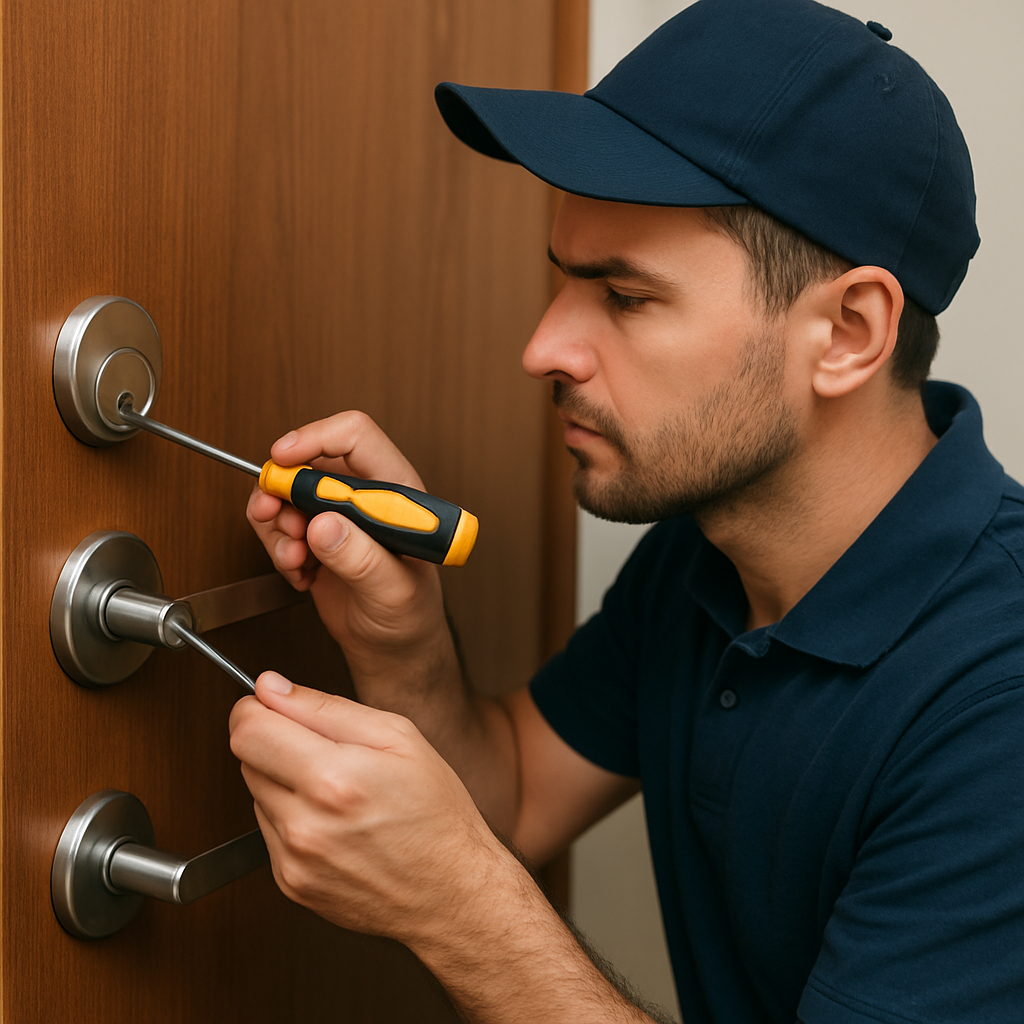
Factors that should push you to request urgent on-site service.
If you are stranded in an unsafe location, need to get family members home, or your car blocks traffic, call for immediate mobile service. If time allows, a daytime appointment often saves money and gives the locksmith a chance to bring the correct tools and spare parts.
Simple maintenance actions and decisions that prevent costly programming jobs.
Keep one working spare stored safely, change fob batteries promptly, and avoid rough handling that could damage the chip. Store the locksmith’s number in your phone and note the key code or VIN reference for faster service next time. If you manage a fleet or have multiple vehicles, talk to a local locksmith about bulk pricing for programmed keys and on-site support to reduce downtime.
Next steps, quick rules of thumb, and contact priorities for handling transponder failures.
If a spare key starts the car, call a locksmith for a replacement and expect a straightforward program and cut within an hour in many cases. In unsafe situations choose immediate help and accept higher fees; in non-urgent cases book a regular appointment and compare local quotes. Double-check reviews and licensing, then prioritize technicians who describe experience with your make and model.
A brief note on security and protecting your vehicle after key replacement.
When keys are replaced, consider rekeying or updating locks if there is any risk of copied or lost keys in circulation. Keeping a record of the new key numbers, VIN, and which technician programmed the key saves time later if you need duplicates. If your job required dealer intervention, request a service record and part numbers from the dealership so you have a complete history of what changed.
If you follow the checks, ask the right questions, and pick a reputable local locksmith, most transponder key problems are fixable quickly and cost-effectively.
Locksmith in Orlando, Florida: If you’re looking for a reliable locksmith in Orlando, FL, our company is here to help with certified and trustworthy locksmith services designed to fit your needs.
Locksmith Orlando | Locksmith Unit
- Address: 3725 Conroy Rd, Orlando, FL 32839, United States
- Phone: +1 407-267-5817
- Hours: Open 24 hours
- Website: locksmithunit.com
- Contact Us: Contact Locksmith Unit Orlando, FL
- About Us: About Locksmith Unit Orlando, FL
Connect with us
- Google Business Profile: Locksmith Orlando | Locksmith Unit on Google Maps
- Facebook: Locksmith Orlando | Locksmith Unit on Facebook
- Instagram: Locksmith Orlando | Locksmith Unit on Instagram
- YouTube: Locksmith Orlando | Locksmith Unit on YouTube
- TikTok: Locksmith Orlando | Locksmith Unit on TikTok
- X (Twitter): Locksmith Orlando | Locksmith Unit on X (Twitter)
- LinkedIn: Locksmith Orlando | Locksmith Unit on LinkedIn
- Pinterest: Locksmith Orlando | Locksmith Unit on Pinterest
- Threads: Locksmith Orlando | Locksmith Unit on Threads
- Blogger: Locksmith Orlando | Locksmith Unit on Blogger
- Tumblr: Locksmith Orlando | Locksmith Unit on Tumblr
- Bluesky: Locksmith Orlando | Locksmith Unit on Bluesky
- Band: Locksmith Orlando | Locksmith Unit on Band
- VK: Locksmith Orlando | Locksmith Unit on VK
- Yelp: Locksmith Orlando | Locksmith Unit on Yelp
Worldwide Brand Profiles
- Medium: Locksmith Unit on Medium
- Instapaper: Locksmith Unit on Instapaper
- Diigo: Locksmith Unit on Diigo