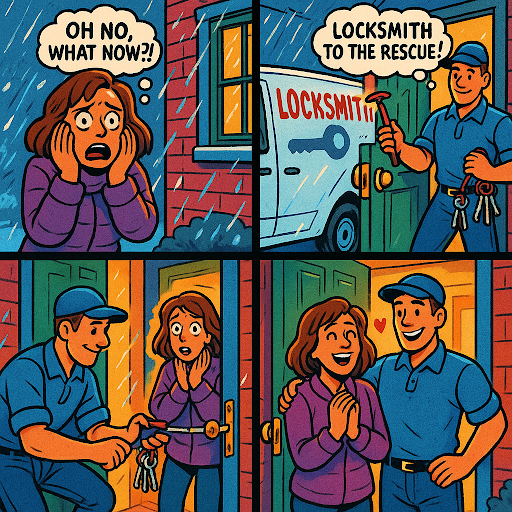
Ignition Replacement Experts - Mobile Repair
A dead or sticky ignition is one of those failures that happens without warning and immediately makes commuting a headache. After dozens of on-site repairs and hundreds of diagnostic hours I can show you what to try safely and when to stop and get professional help. Here are reliable starting points and a trusted resource if you need professional help: there are a few local experts you can contact like automotive locksmiths near me, and they can help when the next steps require tools or parts beyond what you have on the driveway.
What the ignition assembly does and the weak points to watch.
Because the ignition is a cylinder, a switch, and often an electronic interface, you can expect problems anywhere that metal, plastic, and wiring meet. A worn key or tumblers will feel loose or sticky while an electrical failure often results in no dash lights or no starter engagement.
Common ignition symptoms you can identify quickly.
A careful sequence of checks lets you distinguish between an ignition that fails to send power and a battery or starter that cannot receive it. For example, dim dash lights with a single click usually means a weak battery or poor battery terminal connection, while key turn with no lights may indicate a blown IGN fuse or faulty ignition switch.
Practical, low-risk checks to do in the first ten minutes when your ignition misbehaves.
Spend five minutes doing simple checks and you will either fix a loose connection or gather the exact symptom list a technician will thank you for. Start by making sure the battery connections are clean and tight, since battery faults are the most common and easiest to fix. Try starting with the headlights on then off, because a significant battery problem will affect brightness. If accessory functions work but the engine will not crank, move on to starter and ignition switch troubleshooting. Be cautious with the safety interlocks like clutch or neutral safety switches, because a misadjusted interlock can prevent starting even if the ignition is fine.
Fixes for sticky, jammed, or worn ignition cylinders that are reasonable to attempt at home.
If the key rotates but with rough spots, first try a few gentle actuations with a lubricant formulated for locks, because penetrating oil often eases sticking without harm. A visibly damaged key should be replaced by a properly cut spare to prevent progressive damage to the ignition cylinder. Steering column pressure often adds binding, and gently rocking the wheel left and right while turning the key is a standard field trick that can free a jammed lock.
Electrical diagnostic steps that pros run first when the starter does not engage.
Testing for voltage at key points is decisive and avoids guesswork when the symptoms are ambiguous. With the key turned to the start position measure voltage at the starter solenoid input terminal, because voltage there indicates the ignition switch and relay are doing their job. Relays and fuses live in accessible boxes and are responsible for routing power from the ignition switch to the starter, so inspect them before deeper disassembly.
Why immobilizer issues can leave a perfectly mechanical ignition appearing dead.
Modern cars often include an immobilizer that requires a coded signal from the key, and when that circuit fails the engine will not crank even though the key turns. Using a known-good spare is the simplest test for transponder failure and can save hours of hunting for wiring faults. Key programming is not a homeowner job for most vehicles, and attempting it without the proper equipment can leave you with an unpaired key and a car you cannot start.
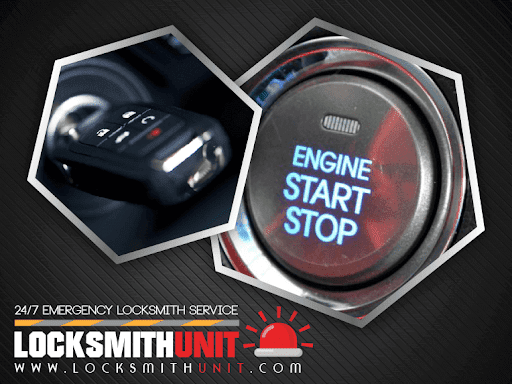
When replacing the whole assembly makes more sense than repeated small fixes.
Replacing a worn cylinder is more expensive initially but often lasts far longer than repeated lubrications and key trims, especially on high-mileage licensed locksmith cars. When customers return with another broken key a few months later I usually recommend full cylinder replacement to eliminate the root cause. Rekeying the new cylinder to match your other locks prevents the need to replace house or trunk keys, keeping the job efficient.
Trade-offs between mobile service convenience and a shop's capacity for complex electrical diagnostics.
A typical mobile visit can replace a broken cylinder and cut a new mechanical key in under an hour for many cars. Mobile locksmith services often stock ignition barrels and blank keys, which lets them finish a repair without a tow. A shop will also have access to technical bulletins and wiring diagrams that help diagnose parasitic drains or hard-to-find shorts.
Real-world price ranges for common ignition services and the variables that push costs up or down.
Simple services like lock lubricant, key cutting, or fuse replacement often cost under $100, while cylinder replacement or programming typically runs higher. Expect to pay more for after-hours emergency work, and factor that into a decision about waiting until morning if the car is in a safe place. Genuine OEM ignition assemblies are more expensive than aftermarket parts, but they can simplify pairing with immobilizers and reduce compatibility risks.
Selecting a trustworthy technician for ignition work.
If the problem is outside a simple mechanical jam and involves the car's security or computers contact a professional to avoid further damage. Look for licensed locksmiths with automotive experience and positive local reviews, and ask whether they offer on-site ignition replacement and key programming services, because those capabilities matter for a quick repair. If a roadside technician arrives without the necessary blanks, software, or a clear plan, pause and ask for a written estimate; if they cannot provide one, consider calling another provider.
Experienced-based advice to avoid repeat failures after an ignition job.
Using the correct lubricant and applying it sparingly prevents short-term fixes from becoming long-term problems. Diagnose the whole steering column if the cylinder fails repeatedly within months, because adjacent worn parts can cause abnormal wear. Make and test a spare proactively, especially for high-mileage or older vehicles where keys and cylinders show progressive wear.
Resources and how to get help quickly when you need it.
If you need an immediate on-site repair, search for specialized automotive locksmiths who advertise automotive locksmith and mobile locksmith service and confirm they handle ignition replacement and key programming, because not all locksmiths offer both services. For parts pricing get quotes for both aftermarket and OEM cylinders, and for programming ask whether the locksmith can do it on-site or if the vehicle needs to visit the dealer, because those factors change total cost and downtime. When you call, describe the symptom sequence, vehicle year, and whether you have a spare key to get the most useful estimate.
I have repaired ignitions that failed at -20 degree mornings and fixed cars that would not start after crowded city parking lots, and the same diagnostic rules applied each time: listen, observe, and isolate the symptom before replacing parts. Preparation and the right technician matter more than expensive parts in many ignition failures. When a DIY approach reaches its limits, a certified locksmith or dealer reduces risk and restores safe starting quickly.
Locksmith in Orlando, Florida: If you’re looking for a reliable locksmith in Orlando, FL, our company is here to help with certified and trustworthy locksmith services designed to fit your needs.
Locksmith Orlando | Locksmith Unit
- Address: 3725 Conroy Rd, Orlando, FL 32839, United States
- Phone: +1 407-267-5817
- Hours: Open 24 hours
- Website: locksmithunit.com
- Contact Us: Contact Locksmith Unit Orlando, FL
- About Us: About Locksmith Unit Orlando, FL
Connect with us
- Google Business Profile: Locksmith Orlando | Locksmith Unit on Google Maps
- Facebook: Locksmith Orlando | Locksmith Unit on Facebook
- Instagram: Locksmith Orlando | Locksmith Unit on Instagram
- YouTube: Locksmith Orlando | Locksmith Unit on YouTube
- TikTok: Locksmith Orlando | Locksmith Unit on TikTok
- X (Twitter): Locksmith Orlando | Locksmith Unit on X (Twitter)
- LinkedIn: Locksmith Orlando | Locksmith Unit on LinkedIn
- Pinterest: Locksmith Orlando | Locksmith Unit on Pinterest
- Threads: Locksmith Orlando | Locksmith Unit on Threads
- Blogger: Locksmith Orlando | Locksmith Unit on Blogger
- Tumblr: Locksmith Orlando | Locksmith Unit on Tumblr
- Bluesky: Locksmith Orlando | Locksmith Unit on Bluesky
- Band: Locksmith Orlando | Locksmith Unit on Band
- VK: Locksmith Orlando | Locksmith Unit on VK
- Yelp: Locksmith Orlando | Locksmith Unit on Yelp
Worldwide Brand Profiles
- Medium: Locksmith Unit on Medium
- Instapaper: Locksmith Unit on Instapaper
- Diigo: Locksmith Unit on Diigo