Automotive Ignition Troubleshooting Service - Same Day
When the key turns but the engine does not catch, the problem usually sits where metal, electronics, and wear meet in the ignition assembly. I write from years of roadside calls and shop diagnostics and I will walk you through realistic troubleshooting steps, practical fixes, and when to call a pro. Here are reliable starting points and a trusted resource if you need professional help: there are a few local experts you can contact like mobile ignition repair specialists, and they can help when the next steps require tools or parts beyond what you have on the driveway.
What the ignition assembly does and the weak points to watch.
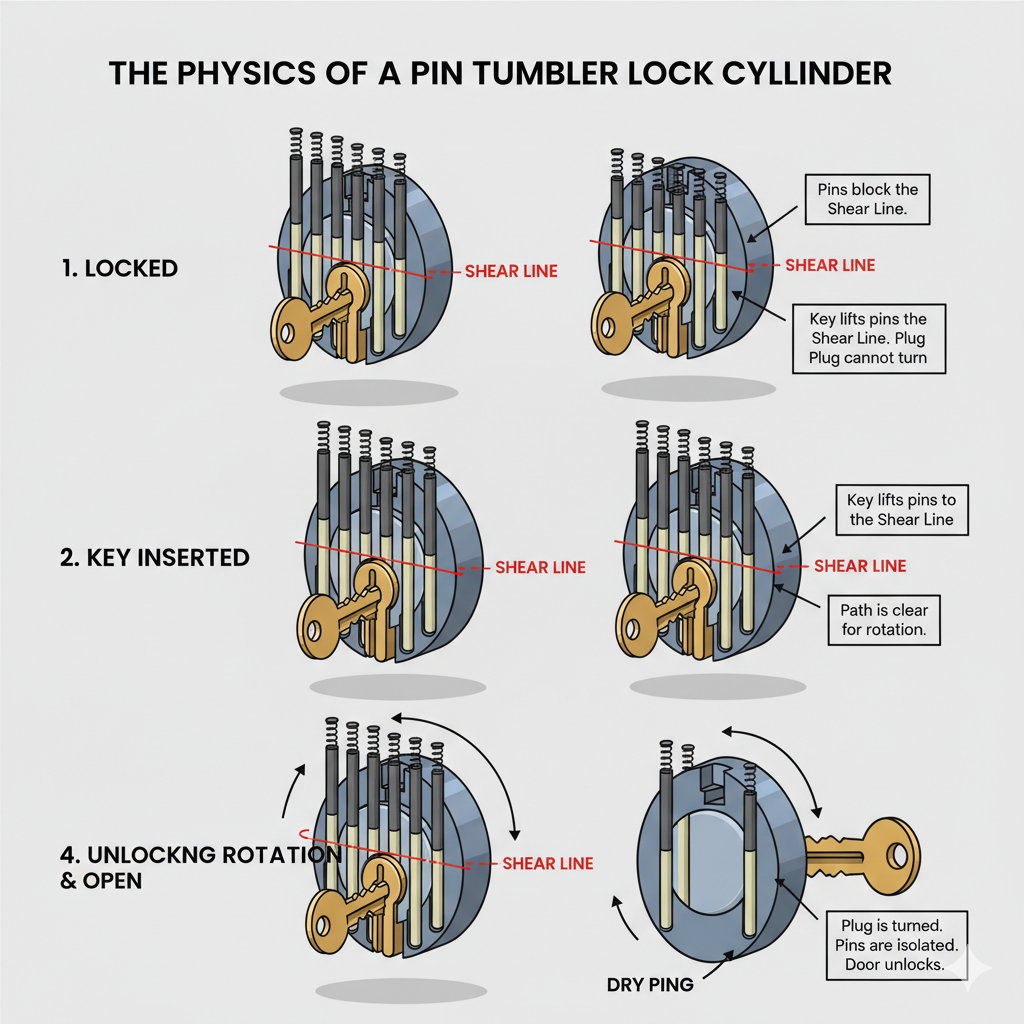
Because the ignition is a cylinder, a switch, and often an electronic interface, you can expect problems anywhere that metal, plastic, and wiring meet. A worn key or tumblers will feel loose or sticky while an electrical failure often results in no dash lights or no starter engagement.
How to recognize the symptom patterns that point to ignition trouble.
A careful sequence of checks lets you distinguish between an ignition that fails to send power and a battery or starter that cannot receive it. If the lights still work but the starter is dead, the ignition or starter relay might be at fault; if everything is dead, start with the battery and connections.
Five fast tests you can perform without specialty tools to gather useful information.
Before pulling anything apart, observe dashboard behavior and listen for clicks, hums, or silence when you try to start the car. Check the battery terminals for corrosion and tightness, because a poor connection often mimics ignition failure. Turning headlights on and then cranking checks for voltage collapse, and observing dimming gives a quick read on battery health. If accessory functions work but the engine will not crank, move on to starter and ignition switch troubleshooting. A car with an automatic transmission might not start if the shifter sensor or neutral switch is misaligned, so verify the car is fully in Park or try starting in Neutral.
When the key feels worn or the cylinder binds, what you can do that day.
Use a dry graphite or lock-specific lubricant sparingly, because oily lubricants attract dirt and accelerate wear inside the cylinder. If the key is bent or nicked it will wear the tumblers and you should get a replacement cut before further damage occurs. Steering column pressure often adds binding, and gently rocking the wheel left and right while turning the key is a standard field trick that can free a jammed lock.
Electrical checks that separate a failing ignition switch from a dead starter.
Testing for voltage at key points is decisive and avoids guesswork when the symptoms are ambiguous. If there is no voltage at the solenoid lead when someone turns the key, the fault is upstream in the ignition switch, fuse, or relay. Check the starter relay and fuse panel security lock installation next, since a blown fuse or a stuck relay is a cheap, quick replacement compared with removing the steering column.
Electronic immobilizer faults that look like an ignition failure and how to confirm them.
Electronic security systems add complexity because they introduce a communication layer that can fail independently from the lock cylinder. Using a known-good spare is the simplest test for transponder failure and can save hours of hunting for wiring faults. When programming is required a mobile technician or dealer with the correct equipment will be necessary, since transponder key programming usually needs OEM-level tools.
How to weigh replacing the cylinder against extracting a broken key or rebuilding the switch.
Replacing a worn cylinder is more expensive initially but often lasts far longer than repeated lubrications and key trims, especially on high-mileage cars. A clean extraction followed by a new key is a good short-term fix, but if tumblers are scored or damaged you will see recurring failures. A professional locksmith can often supply a matched cylinder and rekey it so your existing keys continue to work across the vehicle.
Trade-offs between mobile service convenience and a shop's capacity for complex electrical diagnostics.
If the job requires bench diagnostics, advanced soldering, or component swapping a shop with lifts and test gear is preferable. Mobile locksmith services often stock ignition barrels and blank keys, which lets them finish a repair without a tow. A shop will also have access to technical bulletins and wiring diagrams that help diagnose parasitic drains or hard-to-find shorts.
Budget expectations for a typical ignition repair or replacement job.
A new ignition cylinder alone can be modest on older vehicles but on late-model cars with transponders expect programming fees and parts to add to the bill. Expect to pay more for after-hours emergency work, and factor that into a decision about waiting until morning if the car is in a safe place. Where security programming is proprietary the dealer part may be the only reliable option, and that will increase both parts price and labor time.
When to call a professional and how to choose the right service provider.
If the problem is outside a simple mechanical jam and involves the car's security or computers contact a professional to avoid further damage. Transparency about parts, warranties, and how they handle immobilizer programming distinguishes reliable technicians from amateurs. Trustworthy technicians will offer a limited warranty on workmanship and parts, which protects you if a follow-up is needed.
Tricks of the trade and warning signs that reveal hidden troubles inside the ignition system.
One common pitfall is over-lubricating with oil-based sprays, which trap grit and speed wear, so always prefer dry lock lubricants or graphite for ignitions. If mounting points, bushings, or the lock housing are worn replacing the cylinder alone can be a temporary fix rather than a permanent solution. Make and test a spare proactively, especially for high-mileage or older vehicles where keys and cylinders show progressive wear.
Where to look for verified mobile technicians, replacement parts, and reliable pricing guidance.
If you need an immediate on-site repair, search for specialized automotive locksmiths who advertise automotive locksmith and mobile locksmith service and confirm they handle ignition replacement and key programming, because not all locksmiths offer both services. Collect two or three quotes and verify what is included, such as spare keys, rekeying, and any required immobilizer programming. When you call, describe the symptom sequence, vehicle year, and whether you have a spare key to get the most useful estimate.
Use the practical checks above to identify likely causes, get multiple quotes when parts or programming are required, and call a reputable mobile locksmith or shop if the fault involves immobilizer electronics or complex wiring. Preparation and the right technician matter more than expensive parts in many ignition failures. A professional with the right tools will get you back on the road with minimal downtime and a clear warranty on the work done.
Locksmith in Orlando, Florida: If you’re looking for a reliable locksmith in Orlando, FL, our company is here to help with certified and trustworthy locksmith services designed to fit your needs.
Locksmith Orlando | Locksmith Unit
- Address: 3725 Conroy Rd, Orlando, FL 32839, United States
- Phone: +1 407-267-5817
- Hours: Open 24 hours
- Website: locksmithunit.com
- Contact Us: Contact Locksmith Unit Orlando, FL
- About Us: About Locksmith Unit Orlando, FL
Connect with us
- Google Business Profile: Locksmith Orlando | Locksmith Unit on Google Maps
- Facebook: Locksmith Orlando | Locksmith Unit on Facebook
- Instagram: Locksmith Orlando | Locksmith Unit on Instagram
- YouTube: Locksmith Orlando | Locksmith Unit on YouTube
- TikTok: Locksmith Orlando | Locksmith Unit on TikTok
- X (Twitter): Locksmith Orlando | Locksmith Unit on X (Twitter)
- LinkedIn: Locksmith Orlando | Locksmith Unit on LinkedIn
- Pinterest: Locksmith Orlando | Locksmith Unit on Pinterest
- Threads: Locksmith Orlando | Locksmith Unit on Threads
- Blogger: Locksmith Orlando | Locksmith Unit on Blogger
- Tumblr: Locksmith Orlando | Locksmith Unit on Tumblr
- Bluesky: Locksmith Orlando | Locksmith Unit on Bluesky
- Band: Locksmith Orlando | Locksmith Unit on Band
- VK: Locksmith Orlando | Locksmith Unit on VK
- Yelp: Locksmith Orlando | Locksmith Unit on Yelp
Worldwide Brand Profiles
- Medium: Locksmith Unit on Medium
- Instapaper: Locksmith Unit on Instapaper
- Diigo: Locksmith Unit on Diigo