Protect Yourself While Waiting for a Locksmith Orlando During a Lockout
Lockouts are stressful, and a clear head helps you stay safe while you wait for help. One of the best ways to reduce risk is to call a trusted provider and confirm the technician's ETA and name before they leave for your location. In many cases it's sensible to hire a local service such as emergency locksmith so you get someone who knows the area and arrives faster. Read on for concrete steps, quick checks, and decision points that help you stay safe until the locksmith arrives.
Quick environment checks can dramatically reduce risk while you wait.
Make a quick mental map of exits, people around, and whether you can move to a safer spot without creating more trouble. If a doorway is poorly lit or you feel uneasy, move to a nearby cafe, gas station, or the lobby of a neighbor building and stay there until help arrives. If something feels off, err on the side of caution and change location rather than waiting outside an unlit area.
Keep the confirmation number, your ID, and a charged phone within reach to confirm the locksmith's identity when they arrive.
When the technician calls to say they're close, ask for their full name, a vehicle description, and a photo if possible. A legitimate locksmith will understand your caution and should be able to provide clear verification.
Visibility and a low-risk crowd are powerful deterrents against opportunistic crime.
If you must wait outside, stand near a well-traveled sidewalk, under a lamp, or beside an open store where staff can see you. Even texting a friend your location and locksmith support ETA gives you a check-in that helps if plans change.
When locked out of a car, staying inside with the windows closed usually beats standing outside alone.
Do not attempt to climb locksmith maintenance through broken glass or otherwise break windows to gain access; that risks injury and could complicate insurance claims. If the vehicle is parked near a busy area, ask the attendant or staff to keep an eye on you until help arrives.
A quick callback to the dispatch line can clear up mismatches without confrontation.
Ask the dispatcher to confirm the tech's name and vehicle plate, and tell the dispatcher you will only open the locksmith expertise door after seeing proper ID. It's reasonable to decline service if you cannot verify the technician; safety outweighs speed in these situations.
There are clear behaviors and background signs that separate bona fide technicians from people to be wary of.
A legitimate locksmith will provide a company name, a dispatch confirmation, a uniform or branded vehicle, and will locksmith service provider carry visible tools and ID. Reputable services will not insist on full payment until the job is complete and you are satisfied with the work.
A security desk or manager's office is a natural place to stay safe and visible.
If the building has an entry log or CCTV, ask staff to note the technician's arrival time and plate number. For shared properties, insist that any door or corridor work be done with another staff member present.
Broadcasting unnecessary details about where you live or where you are headed can invite copycat behavior.
FloridaIf strangers ask questions, deflect with simple answers like "I'm waiting for a service" rather than offering specifics. Keeping the exchange businesslike protects you and avoids painting a target.
Prepare for the technician's arrival by noting details you can use to verify identity and timing.
If someone arrives unannounced claiming to be "closer" or "in the neighborhood," confirm that they are the person your company dispatched. A short verification call is often enough to clear up mismatches, and it costs nothing but a minute of time.
If you cannot stay at the door, relocate to a visible spot where you can watch the entrance from a safe distance.
When stepping away, tell the dispatcher where you are moving to and keep them on the line if you are still confirming the technician's identity. However, most people feel safer supervising any entrance work, and that is a reasonable preference to state.
If possible, pay with a card tied to your name rather than cash so there is a paper trail.
Keep the receipt and the technician's business card in a safe place for future reference or follow-up. Most reputable companies will return to correct an issue, and a documented claim makes resolution faster.
Safety trumps property concerns when a person behaves unlawfully or threateningly.
Document the person's appearance, vehicle, license plate, and any words they used as soon as it is safe to do so. If a technician demands immediate cash payment and is aggressive about it, refuse and contact the company and police to report extortion-like behavior.
After the event, consider small changes that reduce future risk and hassle. A keypad deadbolt, key-storage lockbox with a code shared only with family, or a smart lock with temporary codes reduces dependence on single physical keys. A short safety checklist you can follow during any future lockout will save stress: verify identity, stay visible, keep communication public, and document the job when it is done.
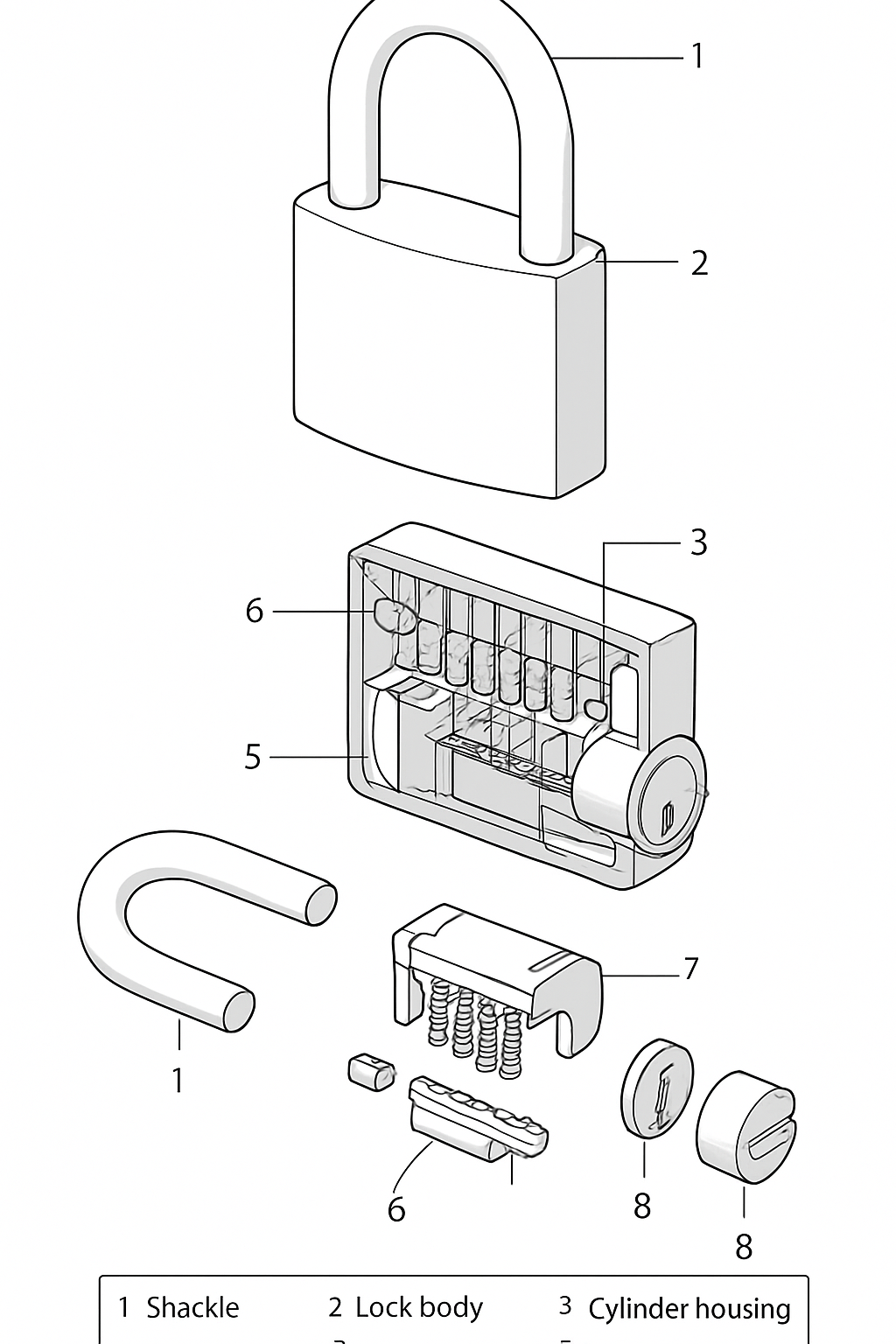
If you want to bookmark a reputable local provider, search and save a vetted company so you have their contact before you need it. Mobile locksmiths bring tools and parts and can locksmith industry often complete common jobs without towing or extra appointments.
Combining visibility, verification, and documentation reduces both risk and ambiguity during a locksmith call. Being firm about who you let into your home is not rude, it is responsible.