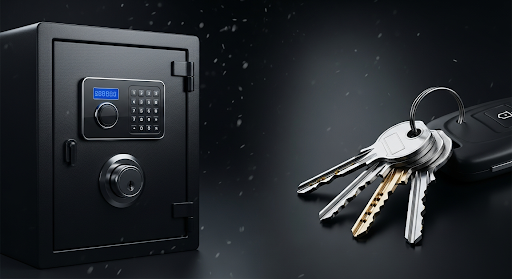
Office Lockout Service 24-Hour Locksmith Orlando Districts
Running a storefront or office in Central Orlando brings responsibilities that include reliable locks and quick responses when something goes wrong. Keeping a skilled locksmith on retainer prevents long lockout waits and costly emergency fixes. For urgent door, Florida lock, or key problems, locksmith 24 hours Orlando offers practical, on-the-ground help.
Why commercial locksmiths matter for businesses in Orlando.
There is a practical difference between storefront, office, and residential locking systems that most managers underestimate. Technicians accustomed to commercial work qualified locksmith bring experience with exit devices, access control interfaces, and commercial-grade deadbolts. An inexperienced approach to commercial locks can result in more downtime and avoidable expense.
Common scenarios we see when a business calls for help.
Employees lock themselves out after hours more often than you might expect, and the timing is rarely convenient. Sometimes a key snaps in a cylinder that has never been serviced, and extraction plus impressioning are required to restore access without drilling the whole lock. Forced-entry repairs, rekeying after employee turnover, and code-compliant panic bar upgrades are regular requests for locksmiths working with businesses.
How to decide between immediate emergency service and planned maintenance.
If your primary entrance cannot be secured, or if an access control failure leaves an exterior door wide open, call for emergency service. Routine maintenance, lock rekeying, and hardware replacement that do not impair security can wait for a standard appointment. Provide details such as which doors are affected, whether there is glass damage, and whether alarm or access control systems are involved.
Hire a commercial locksmith who understands both hardware and the local regulatory landscape.
Look for locksmiths that detail commercial work including high-security locks, master keying, and trusted locksmith services door hardware ADA compliance. Request insurance documentation up front, especially when hiring for tenant improvements or building-wide work. Choose a locksmith familiar with local building inspectors, typical storefront hardware, and recurring issues in the Orlando climate.
Clear pricing and an itemized estimate help you compare locksmith services fairly.
Many emergency calls include a trip fee, after-hours surcharge, and then labor plus parts, and the total can locksmith specialists vary widely by provider. Get a verbal estimate during dispatch and a written price before the technician begins labor to avoid surprises. Photos of the door, lockset, and surrounding hardware help locksmiths prepare and reduce the likelihood of multiple visits.
Preventive measures that cut down on emergency locks and keys incidents.
Start with a simple maintenance calendar: lubricate locks twice a year and replace worn keys proactively. Patented keyways and restricted blanks reduce the risk of unauthorized copies and are worth the extra cost for many businesses. Make lost-key procedures part of employee onboarding so you can act swiftly and avoid drawn-out security exposures.
How retainers and service agreements work with a business locksmith.
Signing a service-level agreement ensures faster response times and predictable pricing for recurring locksmith needs. A service agreement with a local locksmith like 24/7 locksmith Orlando can reduce per-visit fees and provide a predictable budget for door hardware work. Make sure the contract spells out priorities, warranty handling, and whether subcontractors may be used.
The trade-offs of switching from mechanical keys to electronic access.
Electrified strikes, keypad locks, and card readers allow revocation without rekeying, which is valuable for larger staff counts. Access control systems require HVAC-like thinking: backup power, scheduled firmware patches, and coordination with your IT team. Consider card access at employee entrances locksmith industry and mechanical deadbolts on storage closets to balance cost, complexity, and security.
How a trained commercial locksmith works through a business lockout.
The dispatcher will triage based on security risk and request photos or details about the door and hardware when possible. On arrival, a commercial locksmith will assess whether the cylinder can be salvaged, if a non-destructive entry is possible, or whether replacement is necessary. When electrified hardware or alarms are present, the technician often works alongside your security or IT team to prevent nuisance alarms and ensure correct integration.
How locksmith records support compliance and claims.
A concise service log with dates, serials, and technician notes becomes invaluable during insurance claims or safety audits. For keyed systems, maintaining a documented key map and a secure master key storage box clarifies responsibility and reduces loss. If you make changes to locks for compliance reasons, such as ADA hardware or fire door modifications, keep the approval documentation and installer notes.
Practical takeaways that make working with locksmiths smoother.
Having established contacts shortens response times because the locksmith already knows your doors, keys, and personnel procedures. Clear identification of suites, departments, and key groups reduces mistakes and keeps service calls efficient. On larger upgrades, ask for a scope of work, timeline, and warranty details in writing to avoid mid-project surprises.
Gathering basic information such as door type, lock brand if visible, and whether the door is electrified will shorten the call and reduce the need for follow-up visits. Make sure managers know who to call and what information to provide to avoid delays during an after-hours lockout. A local, experienced commercial locksmith brings technical know-how, local contacts, and practical judgment that keeps operations secure and doors working when you need them locksmith expertise most.