
Locked Out on Vacation Immediate Actions and Calling a Locksmith Orlando
Getting locked out with children in tow is one of those urgent, small-disaster moments. What helps most is a simple plan, a few safety checks, and ways to keep kids calm until someone can open the door. In many neighborhoods a quick local pro is the fastest fix, so have a reliable option like emergency locksmith saved and ready when time matters, and use the guidance below to triage the situation and avoid common mistakes. I wrote this from field experience with parents and caretakers who needed immediate, practical direction.
Immediate priorities - safety then logistics
Put safety and shelter first before you try to solve the lock problem. If you are outside on a porch, get the kids under an awning or inside a car if available, and bundle them if it is cold. Keep voices low and simple: say one or two reassuring sentences and assign a small, safe job like holding a blanket.
Comforting a frightened child takes precedence, you can recover shoes and details later. Keep a water bottle, snack, or familiar toy available if you can reach them, and avoid giving children devices locksmith business that will drain attention from safety.
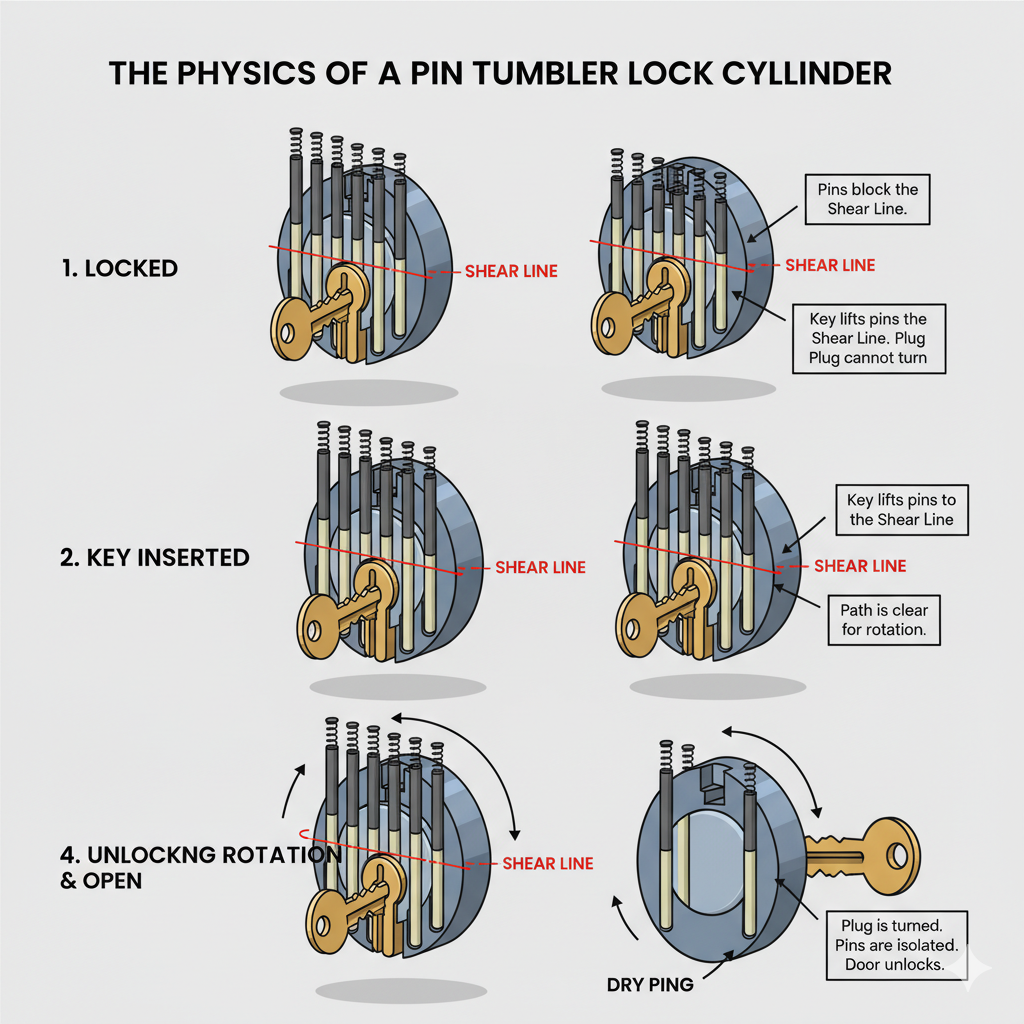
Choosing between a locksmith and emergency services
Assess whether anyone is in immediate danger; if so, call emergency services, otherwise call a locksmith. A locksmith who knows children are involved will often deprioritize nonessential work and aim to get to you faster, so make that part of your call. If you have a membership or roadside assistance that includes locksmith services, use that first because it usually reduces costs and speeds dispatch.
A potential break-in changes the plan: preserve safety, gather witnesses if possible, and wait for police before anyone goes inside.
If you must make decisions about neighbors and access
A friendly neighbor with a spare key is often the fastest solution, but check identities and avoid unnecessary visitors. Never ask a child to climb or locksmith solutions hand a key through a window; keep adult-only solutions strictly adult-only. If you choose to leave children with a neighbor for a few minutes while you fetch something, give the Florida neighbor a phone number and a time window so everyone understands the plan.
Keep a quick mental or written note of neighbors involved to avoid confusion later.
Tools and tactics you can try safely
Start with no-damage checks: look for an open window, an unlocked side door, or a garage code that still works. A neighbor or partner with a spare key usually solves this in minutes, so verify who has one locksmith contractors before trying other measures. If you consider using improvised tools, stop and ask whether a locksmith would be faster and less expensive than repairing a damaged lock later.
For small convenience locks like a sliding patio or interior deadbolt that can be manipulated without force, proceed only if you know what you are doing and children are supervised away from the work area.
What to expect when the locksmith arrives
Expect the locksmith to ask questions about the type of lock, whether doors are reinforced, and whether you have proof of residence. A locksmith who accepts the job should be able to tell you whether they will use picks, bypass tools, or controlled drilling based on the locksmith service company lock description. A reputable pro will estimate costs and ask for permission before drilling or replacing hardware.
If you anticipate frequent lockouts, consider investing in a keyed-alike scheme or a small keypad to avoid repeating the situation.
Cost, timing, and pitfalls to avoid
Expect variability in pricing depending on time of day and lock complexity, and prepare for higher fees for late-night or mobile emergency calls. Some locksmiths quote low on the phone and add chargeable steps later, so confirm the likely total before work begins. Avoid the temptation to accept the first caller if you have time to compare; read a few recent reviews and confirm licensing or insurance where local laws require it.
If you live in a building with a superintendent or property manager, they may have a contract locksmith and fixed pricing; contacting them can bypass variable local rates.
What to do with kids while waiting for help
Bring out predictable, low-mess distractions like a short game, a familiar song, or a single special snack to occupy attention without adding hazards. Tell children how long you'll wait and what will happen next; even a vague "about 10 minutes" reduces fear. Comfort items reduce stress and prevent roaming; keep them physically close and accounted for.
If older children are present, give them specific, safe tasks like watching for the locksmith car and calling out license plate letters.
Steps to reduce the risk of a repeat event
Check for scratches, bent strike GIVE ME MORE 20 RELATED TO THIS KEYWORD FOR 2 TIER BACKLINKS plates, or signs of forced entry and decide whether a repair or rekey is needed. A keyed keypad or a smart lock with timed codes can reduce lockouts, especially if family members are frequently moving in and out. Teach children basic safety rules about doors and keys, like never giving keys to strangers and where spare keys are stored, in language appropriate for their age.
Consider a small, inexpensive lockbox for a spare key kept in a discreet spot and accessible only with a code you control, or leave a spare with a trusted nearby friend.
Unusual scenarios and how to decide what to do
A lost key creates a future risk, so prioritize changing the lock or rekeying the cylinders within 24 to 48 hours. If a child locked themselves inside a vehicle with the engine running or in a hot car, call emergency services immediately rather than a locksmith, and follow dispatcher instructions. If you are renting and the landlord provided keys, check the lease and property procedures before changing locks, and coordinate with them to avoid violating agreements.
A small investment in local relationships pays off when seconds count.
What to carry so a lockout with kids becomes a small inconvenience
Put one spare key in a weatherproof pouch in a bag or a pocket you always carry when children are present. A printed sheet is useful when phone batteries die, and a contact for a local locksmith is worth the space. Choose a discreet, secure spot for vehicle spares and tell one trusted person where it is.
A short rehearsal reduces confusion and speeds response in the moment.
Mental checklist to stay efficient when it happens
Remember that calm is the fastest path to resolution and a clear head keeps kids safe and decisions sensible. Prioritize child safety, then professional entry; avoid damaging the lock for convenience's sake. Do the small prep work now and you will save time, money, and stress when the next small disaster happens.
The right routine and a trusted locksmith contact reduce a frightening lockout to a temporary annoyance.