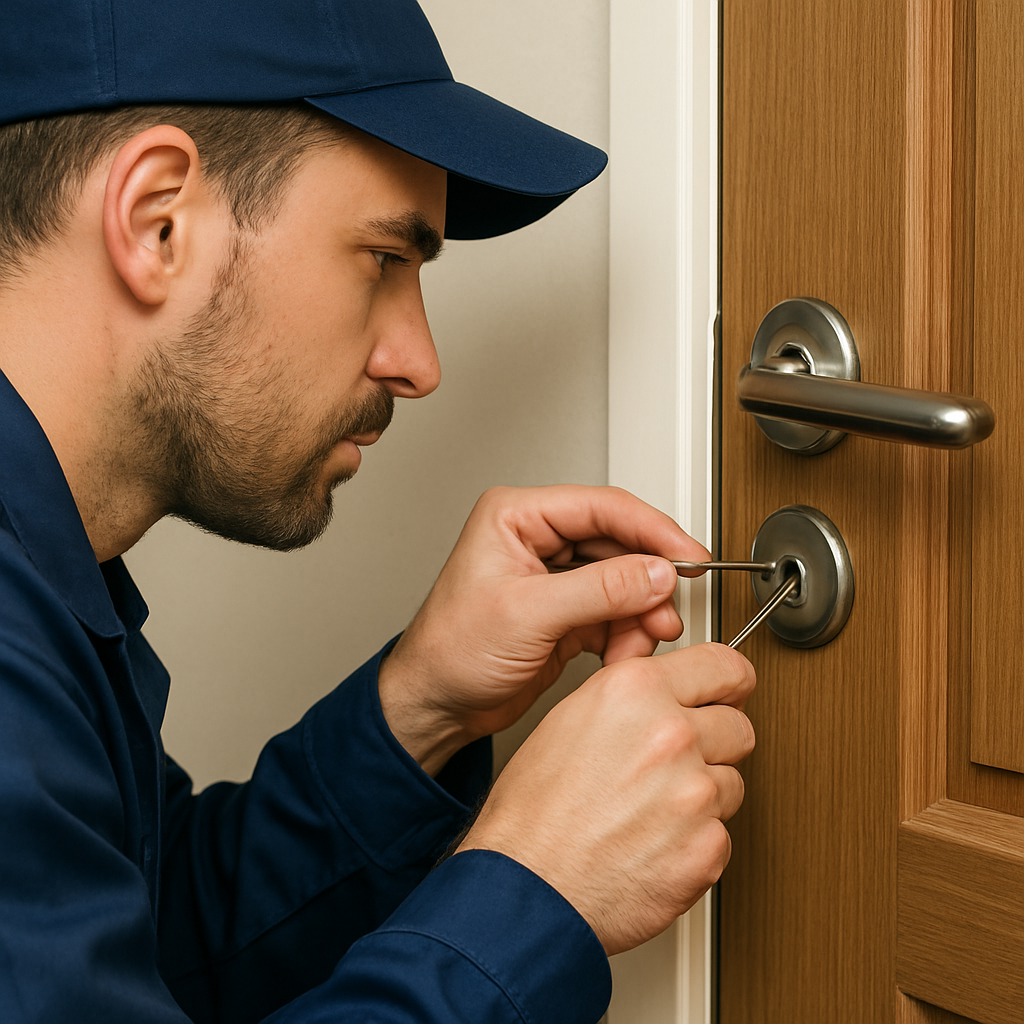
Accessible Locksmith Services Locksmith Orlando FL
A house or car lockout never happens at a convenient time, and accessibility needs make the moment significantly harder to manage. I once had a neighbor who used a power wheelchair and lost his key on a rainy night, and that memory locksmith business shaped how I think about practical responses to lockouts; emergency locksmith Orlando search habits and what to expect from responders are part of that real-world picture. You need clear steps you can take immediately that emphasize dignity, safety, and speed.
How disabilities change the stakes during a lockout.
Many locksmith workflows rely on the customer being able to provide visual cues, remove barriers, or position themselves near the door, and those steps become problematic with sensory or movement impairments. Reaching a peephole, twisting a knob, or handing over a key can be awkward or impossible for people with reduced reach or grip strength. That Florida reality should guide every choice you make before and during a lockout so the solution is fast, safe, and respectful.
Practical prepping to reduce panic and delay when a lockout hits.
Put spare keys where they are truly reachable, not out of reach on a high shelf or in a bag you rarely use. Make a small laminated card with the name, phone, and medical needs locksmith service company of the person who might call for help, and keep that card with primary IDs or in the phone case. Register preferences with building management or neighbors so they can help quickly and know what accommodations are required.
You should look for a locksmith who understands disability accommodations.
Ask about experience with accessible doors, automatic operators, and adaptations such as wheelchair ramps or lower thresholds. Give the dispatcher a brief picture: "wheelchair user, cannot step up, deadbolt at 6 feet" so they send appropriate tools and a technician who understands the constraints. Before the locksmith starts, confirm they will avoid tactics that require you to stand, climb, or hold heavy doors; insist on methods that preserve your safety.
Managing the waiting period well lowers the risk and preserves energy.
If you are outside, find shelter and stay visible rather than crouching in the rain or trying to force a door that could slip shut again. A simple message with location and a short note about mobility needs creates a small safety net. Small adjustments during the wait prevent discomfort and reduce the chance you will be forced into a risky maneuver later.
Open with the most important facts so both parties avoid wasted attempts.
A short summary lets the technician pick the right tools and approach quickly and keeps everyone focused. Clear communication about sensory needs speeds the process and reduces misunderstandings that lead to delays. Small locksmith maintenance gestures like moving a flowerpot or clearing a 2-foot zone can mean the difference between a fast repair and an awkward, lengthy job.
Techniques that preserve accessible hardware and avoid unnecessary damage.
A locksmith trained in accessible hardware will first try non-destructive entry methods suitable for lever and paddle handles, not only traditional pick techniques. If the lock is electronic or tied to an access control system, a technician can often use backup programming or a temporary override rather than replacing the whole assembly. Mobile key cutting and testing on-site avoids a return trip and means you get a working spare before the technician leaves.
Real-world judgement calls that matter for long-term accessibility.
In those cases document the condition and ask the company to follow up with permanent repairs. Other times, avoiding damage is essential because a damaged threshold or jammed strike can make the doorway unusable for a wheelchair. In rental or institutional settings, property management may prefer to coordinate repairs and approve replacements to maintain compliance with building standards.
Practical ways to prove access rights without standing or fumbling.
You can include a photo ID on the card if you are comfortable, but the goal is to make verification simple GIVE ME MORE 20 RELATED TO THIS KEYWORD FOR 2 TIER BACKLINKS professional lock services and achievable from a seated position. A quick phone call to a neighbor or family member can validate ownership without requiring physical transfers that risk falls. That administrative step removes friction and provides a formal channel for verification.
Ways to avoid surprises on the bill after an urgent call.
Many locksmiths charge an after-hours service fee, a travel fee, and then labor, so a quick price check avoids sticker shock. Keep all receipts and the locksmith's business information for follow-up warranty work. There can be community resources that reduce cost or ensure the technician is trained for accessible hardware.
Simple upgrades that make future lockouts far easier.
A licensed locksmith can advise on height and placement that preserve security while improving reach. Keypad solutions eliminate the immediate need for a spare key if you can remember or securely store a code. A properly balanced closer reduces the force needed to open the door and prevents slams that can be hazardous.
What people actually do when plans meet bad weather and a broken key.
The pattern repeats: people who plan spares, record preferences, and vet technicians have shorter downtimes and fewer injuries. That relationship pays off in speed and in technicians who know how to approach your doorway respectfully. A few minutes of preparation creates resilience the next time a key goes missing.
If you want, I can draft a laminated emergency card text you can print pocket-size, and I can suggest specific low-profile hardware models that fit common accessibility needs.