Office Lock and Key Experts - Master Keys
When storefront security or office access problems pop up, finding the right locksmith quickly is essential. Commercial locksmith work ranges from simple rekeys to complex access control installs, and choosing wisely saves money and downtime. Please consider checking office locksmith solutions for examples of services and availability in your area, and use the guidance below to decide what to ask, what to expect, and how to budget for professional locksmith support. Below I share on-the-job lessons, typical price ranges, and red flags I watch for when evaluating a locksmith.
The unique demands of office and storefront locksmith services
Commercial lock systems and priorities are not the same as residential ones. Businesses need solutions that scale, track access, and minimize downtime. Commercial doors, exit devices, and electrified hardware often require a locksmith who understands building codes and wiring.
What to ask before you call a locksmith
A short vetting call prevents rookie mistakes and saves time. Confirm licensing and insurance status, and write down any provided license or bond number. Find out if technicians are company staff or independent contractors, since warranty and reliability often follow employment status.
Signs your business should install a master key system
If you control many doors or frequently change staff, a master key makes life simpler. Reducing key clutter is convenient, but you must implement strict protocols to prevent a lost master key from being catastrophic. Plan on spending more for restricted keyways and patented key control, which reduce unauthorized copying but increase upfront costs.
Choosing between mechanical locks and electronic access control
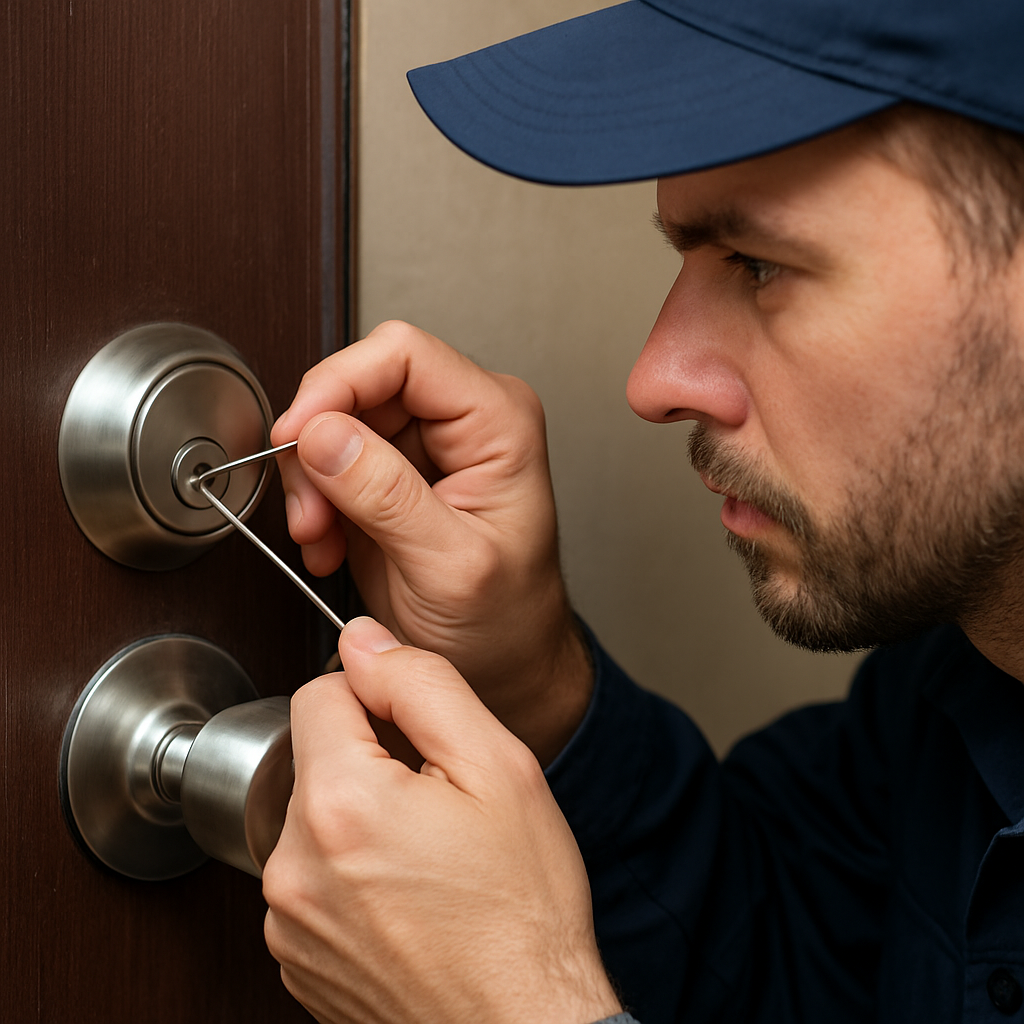
Access systems give you user-based control, revocation without rekeying, and central management. You trade install and maintenance costs for operational flexibility and better accountability. Expect to coordinate with IT and facilities if the system ties into your network or building systems. Please review office electronic lock services for examples of integration options and typical deployment patterns.
Emergency locksmith response for businesses
Business lock emergencies demand speed, but speed without care creates problems. Expect the tech to explain unlock car service options: pick and rekey, cylinder swap, or full lock replacement, with associated costs. If an entry involves failed panic devices or fire exits, the tech should notify building management and consider safety codes before forcing hardware. Establishing a rated, repeatable relationship with one locksmith reduces chaos during an emergency and stabilizes pricing.
Fleet keying, transponder programming, and mobile locksmithing for companies
Companies that run fleets need on-call automotive locksmith support to keep vehicles moving. Mobile techs can cut keys, program transponder keys, and replace fobs on site for many makes and models, but some modern vehicles still require dealer-level access for certain security modules. A short warranty on labor and parts is typical, but get the terms in writing to avoid surprises. Please check mobile locksmith service if you want mobile fleet support examples.
Pricing, quotes, and how to avoid surprise fees
A good vendor will clarify whether the price includes parts, travel, and tax. Itemize labor, parts, travel, and any replacement key costs so you can compare apples to apples. When the project is more than a cylinder swap, compare warranties, response times, and parts quality across bids. Destructive methods are sometimes unavoidable, but they should be justified and approved before work starts.
Red flags and how to verify competency on the spot
A tech who refuses to show identification or a company vehicle should raise suspicion. Refusal to produce a written invoice or demanding large upfront cash is cause for concern. Ask to see insurance certificates if the job could damage doors or frames, and check that license numbers match public records where required. Quality locksmiths explain trade-offs and alternatives clearly, and they will document the work performed. Please refer to licensed locksmith verification for more on credentials and verification steps.
Materials and features worth paying for
Higher graded hardware withstands frequent use and tampering better than residential-grade products. Small installation details determine longevity, so make sure the tech uses 3-inch screws into framing for strike reinforcement. Patented systems are worth it for sensitive areas and long-term key management.
How to maintain commercial locks and manage keys
Regular maintenance prevents most emergency locksmith calls and extends the life of hardware. Documenting key holders and changes creates accountability and simplifies audits. Speed matters for revoking access during terminations, and the fix depends on your keying model.
Balancing cost, security, and convenience for real businesses
Decisions should factor user count, turnover, asset value, and local risk. Consider lifecycle costs when comparing mechanical vs electronic options. Retain records of installed hardware and warranty documentation to make future repairs and audits simpler.
Good locksmithing reduces risk in measurable ways, and sensible policies amplify those gains. Plan for maintenance, verify credentials, and pick a vendor who explains options clearly and documents their work.
Locksmith in Orlando, Florida: If you’re looking for a reliable locksmith in Orlando, FL, our company is here to help with certified and trustworthy locksmith services designed to fit your needs.
Locksmith Orlando | Locksmith Unit
- Address: 3725 Conroy Rd, Orlando, FL 32839, United States
- Phone: +1 407-267-5817
- Hours: Open 24 hours
- Website: locksmithunit.com
- Contact Us: Contact Locksmith Unit Orlando, FL
- About Us: About Locksmith Unit Orlando, FL
Connect with us
- Google Business Profile: Locksmith Orlando | Locksmith Unit on Google Maps
- Facebook: Locksmith Orlando | Locksmith Unit on Facebook
- Instagram: Locksmith Orlando | Locksmith Unit on Instagram
- YouTube: Locksmith Orlando | Locksmith Unit on YouTube
- TikTok: Locksmith Orlando | Locksmith Unit on TikTok
- X (Twitter): Locksmith Orlando | Locksmith Unit on X (Twitter)
- LinkedIn: Locksmith Orlando | Locksmith Unit on LinkedIn
- Pinterest: Locksmith Orlando | Locksmith Unit on Pinterest
- Threads: Locksmith Orlando | Locksmith Unit on Threads
- Blogger: Locksmith Orlando | Locksmith Unit on Blogger
- Tumblr: Locksmith Orlando | Locksmith Unit on Tumblr
- Bluesky: Locksmith Orlando | Locksmith Unit on Bluesky
- Band: Locksmith Orlando | Locksmith Unit on Band
- VK: Locksmith Orlando | Locksmith Unit on VK
- Yelp: Locksmith Orlando | Locksmith Unit on Yelp
Worldwide Brand Profiles
- Medium: Locksmith Unit on Medium
- Instapaper: Locksmith Unit on Instapaper
- Diigo: Locksmith Unit on Diigo